How Artificial Intelligence is Actually Changing the Way Kids Learn at Home
For many parents, the term “Artificial Intelligence” or AI still conjures up images of science fiction movies or complex computer labs. However, in the modern household, AI has quietly moved from the laboratory to the kitchen table. It is no longer just a buzzword; it is a practical tool that is fundamentally reshaping how children explore, understand, and interact with the world around them.
By combining digital tools with hands-on learning experiences, we can ensure that technology serves as a bridge to real-world exploration rather than a substitute for it.
The shift toward AI-integrated learning isn’t about replacing teachers or parents. Instead, it’s about providing a level of personalization and engagement that was previously impossible. At Ovobots, we believe in smarter learning tools that inspire curiosity, and AI is currently the most powerful engine driving that inspiration at home.
From Passive Viewing to Active Participation
In the past decade, digital learning at home often meant “passive screen time”—children watching educational videos or playing simple repetitive games. AI has changed this dynamic by introducing interactivity. Modern AI-driven platforms can listen, respond, and adapt to a child’s input in real-time.
When a child interacts with an AI-powered learning tool, they are no longer just a spectator. They are an active participant in a dialogue. Whether it is a smart tutor that helps them solve a math problem by asking leading questions or a language app that corrects their pronunciation with a friendly voice, the technology encourages kids to think, speak, and act rather than just watch.
The Rise of the Personalized Learning Path
One of the greatest challenges of traditional education is the “one size fits all” approach. In a classroom of thirty, it is difficult to cater to every child’s specific speed. At home, AI acts as a personal tutor that understands exactly where a child is struggling and where they are excelling.
Adapting to Individual Learning Speeds
AI algorithms analyze how a child interacts with content. If a child masters a concept quickly, the AI moves them forward to keep them challenged and prevent boredom. Conversely, if they struggle with a specific module, the AI provides alternative explanations, extra practice, and a slower pace. This ensures that the foundation of their knowledge is solid before moving on to more complex topics.
Immediate Feedback and Support
One of the most practical benefits of AI in home learning is the elimination of the “waiting period.” Usually, a child completes a worksheet and waits for a parent or teacher to grade it. With AI tools, feedback is instantaneous. This immediate correction helps prevent the reinforcement of mistakes and allows children to learn from their errors in the moment, which is when their brains are most receptive to the information.
Actionable Ways to Use AI for Learning at Home
Integrating AI into your child’s daily routine doesn’t have to be overwhelming. You can start small by using tools that complement their existing interests. Here are a few practical ways to bring AI-powered learning into your home:
- Interactive Storytelling: Use AI tools that allow children to co-create stories. Some platforms let kids choose characters and plot points, while the AI generates the narrative, teaching them about story structure and vocabulary in a creative way.
- Smart Curiosity Assistants: Instead of a standard search engine, encourage kids to use kid-safe AI assistants to ask “Why?” questions. These tools can explain complex scientific concepts like photosynthesis or gravity in age-appropriate language.
- Adaptive Skill Building: Utilize platforms for coding, math, or music that adjust the difficulty level based on the child’s performance, ensuring they stay in the “flow state” where learning is most effective.
- Language Immersion: AI-powered language apps can provide conversational practice, helping children learn a second language through natural dialogue rather than just memorizing flashcards.
Fostering Creativity, Not Just Consumption
A common concern is that AI might make kids “lazy.” However, when used correctly, AI is a powerful catalyst for creativity. It acts as a “creative partner.” For example, an AI might generate a basic image based on a child’s description, which the child then uses as a reference for their own physical painting. Or, an AI might provide a basic melody that a child then builds upon with their own musical instruments.
The goal is to use AI to lower the barrier to entry for complex tasks. By handling some of the technical heavy lifting, AI allows children to focus on the high-level creative decisions, boosting their confidence and encouraging them to take on more ambitious projects.
The Human Element: Your Role as a Facilitator
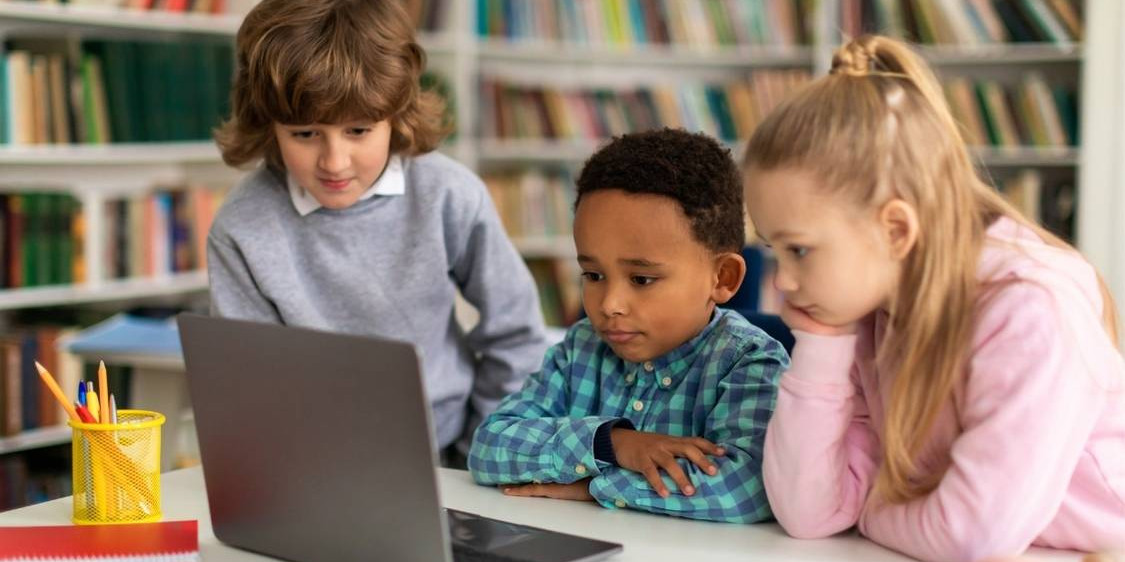
While AI is a brilliant tool, the most effective home learning still requires a parent’s touch. The practical way to approach AI is to view yourself as a facilitator. Sit with your child as they explore these tools. Ask them what they are learning, and help them connect the digital concepts to the real world.
For instance, if an AI tool teaches them about plant biology, take them into the garden to see those concepts in action. The combination of smart technology and hands-on, real-world experience is the hallmark of a truly modern education. This approach ensures that curiosity is nurtured and that technology remains a servant to the child’s growth, not the master of it.
Preparing for a Future-Ready Tomorrow
Ultimately, the way kids learn at home with AI is preparing them for a world where AI will be an integral part of every career. By familiarizing them with these tools now, you are teaching them “AI literacy.” They aren’t just learning subjects; they are learning how to use the tools of the future to solve problems, create art, and communicate ideas.
At Ovobots, we are excited to be part of this journey. By blending smart technology with playful, hands-on learning, we can help children stay curious, stay creative, and stay ahead in an ever-changing world. Embracing AI at home is a practical, gentle step toward a much brighter educational future.